Types of Massage and Therapy
Massage Therapy can be loosely defined as the application of manual and mechanical techniques to manipulate the soft tissues of the body in order to bring about greater health, vitality, and overall well being.
The healing art of massage has been with us since ancient times, but only recently has it attained mainstream status in America. Therapeutic massage techniques can be an aid in speeding recovery from injury or illness, ease the discomforts of pregnancy, and aid in postpartum recovery. Massage is invaluable for relief of tension-related aches and pains, and brings the added bonus of well being and contentment. "Everyone can benefit from massage," says Sharon Gibson of Helping Hands for Health, "It contributes to the overall wellness of the body."
 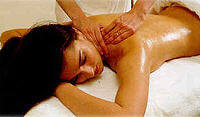 There are many different techniques and approaches to massage from various healing traditions around the world. Most are intended to improve the functioning of the human nervous, muscular-skeletal, and cardiovascular systems. Doing so increases the flow of oxygen, nutrition, and blood to the tissues.
Relaxation (Swedish) Massage
Relaxation (Swedish) Massage—A light, flowing massage primarily for relaxation purposes. Swedish massage is usually given as a full body treatment, and it involves gliding, kneading, and spreading strokes on the face, head, neck, arms, hands, legs, feet, and back. The client wears minimal or no clothing, and is carefully draped with sheet or blanket at all times. Quality massage lotion or oil is used. Swedish is the most common type of massage technique being taught in the United States today and is arguably the most popular style of massage given in spas. One of the principals of Swedish massage is to improve the return of blood to the heart and lungs. For this reason Swedish massage may be helpful for individuals with certain forms of cardiovascular disease, kidney disease, or cancer.
Chair Massage
Chair Massage�Chair massage is a simple approach to bodywork that allows effective techniques to be applied while the client, fully clothed, sits in a specially designed chair. Minimal oils or lotions are used, and typical treatments are ten or twenty minutes. Great for the first-time massage client or for those in need of quick back, neck, and shoulder relief. The portability of the massage chair allows on-site massage to be offered in a wide range of settings. Chair massage can be offered at sporting events and as part of corporate wellness programs.
Deep Tissue Massage
Deep Tissue Massage�This technique is used to release chronic patterns of muscular tension, usually focusing on a problem area. Similar to Swedish massage, it is applied with greater pressure and at deeper layers of muscle. Deep tissue techniques are often applied in sports massage, but can also used as a form of passive exercise for those who have been injured or are ill. These methods, when combined with traditional treatments, may give an added edge that can speed recovery and promote maximum improvement, especially for back pain.
Aromatherapy Massage
Aromatherapy Massage�A wonderfully relaxing massage during which premium essential oils (distilled organic herbal compounds) are applied to the body in specific combinations and amounts so as to promote physical, mental, and emotional healing. Essential oils have powerful anti-stress, anti-bacterial, anti-viral, and anti-fungal properties and have been used by natural healers for at least three millennia.
Trigger Point Myotherapy
Trigger Point Myotherapy�Trigger points are hot spots in the muscle where pain can originate from or where pain can be referred to from a nearby injury. Trigger points can be activated by an injury or by overworking a muscle. Trigger Point Myotherapy is done by applying pressure directly on the "hot spot" of the muscle. It is similar to acupressure.
Myotherapy has a 95% success rate in acute and chronic pain relief.
Reflexology
Reflexology�This ancient Chinese technique involves applying pressure to points, mainly on the feet but also on the hands and ears, that correspond to specific areas of the body. This technique is based around a system of points in the hands and feet thought to correspond or "reflex" to all areas of the body.
Sport Massage Therapy
Sport Massage Therapy�Focuses on the muscles relevant to a particular athletic activity. Usually more vigorous and deeper than Swedish massage. Read this page for benefits of Sport Massage Therapy.
Neuromuscular Therapy
Neuromuscular Therapy�A therapeutic form of bodywork focusing on treating pain and dysfunction by applying pressure on �trigger points,� which release areas of chronic muscle tension. Excellent for headaches, neck, jaw, and shoulder pain. If you have specific, chronic points of tension or pain (knots) in your muscles, neuromuscular therapy may be for you.
Prenatal Massage
Massage during pregnancy provides many benefits. It enhances circulation, supporting the work of your heart and increasing the oxygen and nutrients delivered to your baby. It can relieve the sensation of heaviness and aching in your legs caused by swelling or varicose veins.
It can optimize your muscle tone and function, relieve muscle strain and fatigue, and reduce strain on your joints.
Pregnancy massage reduces stress and promotes relaxation, contributing to a healthier pregnancy.
If you have been told your pregnancy is high-risk, please notify Sharon; she is certified to work with high-risk pregnancy issues.
Ear Candling�is the process of extraction of ear wax and fungus from the ears; it has a rich history dating back over 2000 years.
To learn more about Ear Candling see Article 4. Please note: Ear Candling is for entertainment only and is not a therapeutic treatment.


